
We’re obsessed with the destination.
The next role. The next milestone. The next version of success. We walk our paths with eyes fixed forward, measuring progress by how far we still have to go.
But here’s what astronauts are teaching us.
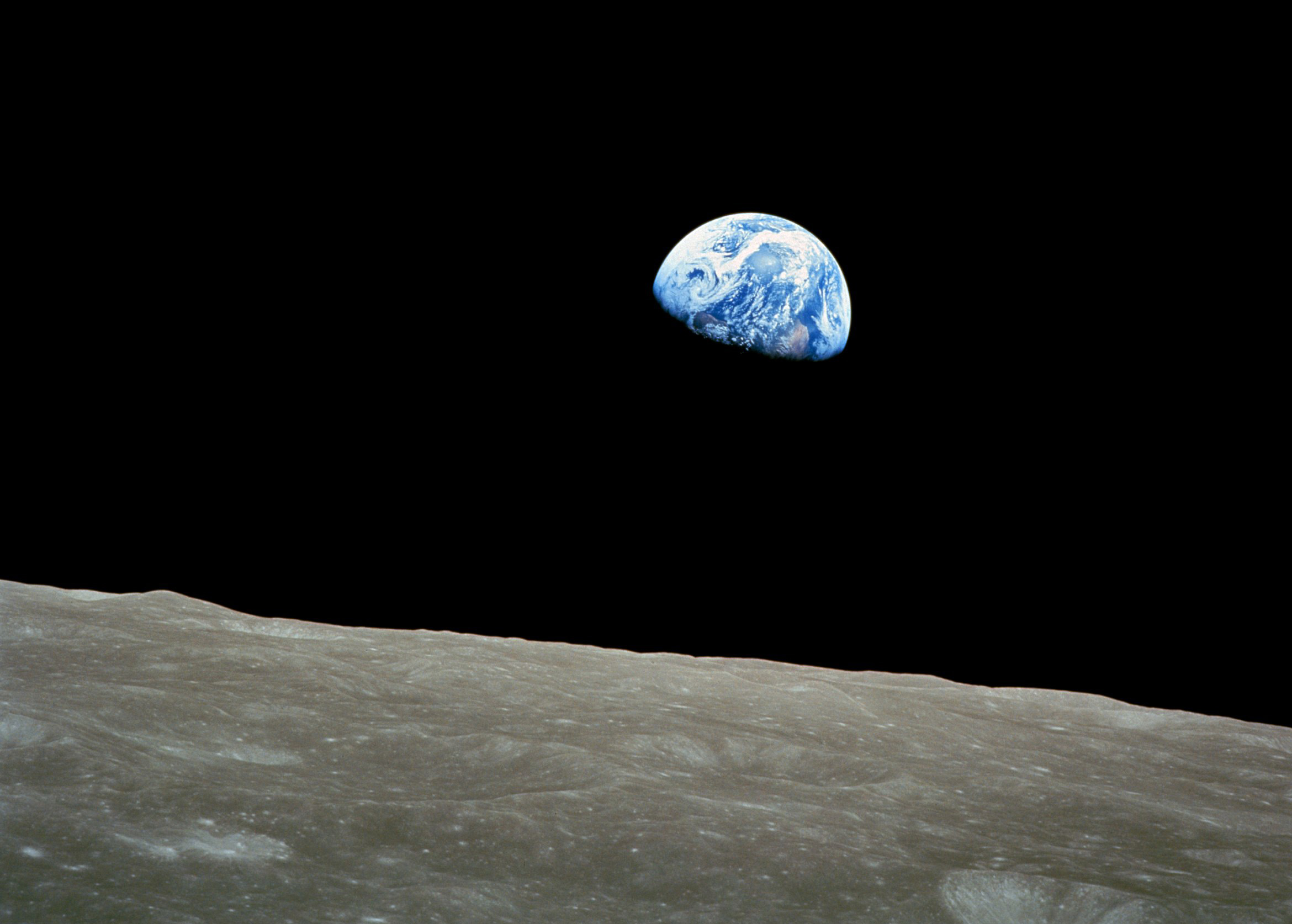
The transformative moment rarely comes from arriving somewhere. It comes from turning around. From looking back at Earth — whole, borderless, fragile — floating in silence. It’s called the Overview Effect: a shift in perspective that comes not from moving forward, but from pausing to see where you came from.
Ron Garan, former NASA astronaut and combat fighter pilot, described what he saw looking out the window of the International Space Station:
“Paparazzi-like flashes of lightning storms. Dancing curtains of auroras. And the unbelievable thinness of our planet’s atmosphere — with the sobering realization that that paper-thin layer keeps every living thing on Earth alive.”
What he didn’t see was an economy. Only a radiant biosphere, teeming with life. His conclusion: since our human systems treat everything — including the life-support systems of the planet — as a subsidiary of the global economy, it’s obvious from the vantage point of space that we’re living a lie. His call to action: shift our thinking from “economy, society, planet” to “planet, society, economy.”
This is the kind of epiphany that can only happen by zooming out and looking back.
There’s something in this for anyone walking a path in life. The destination is meaningful — it’s what gets you moving, keeps you committed, carries you far enough to reach a vantage point you couldn’t have found any other way. But the real value often only becomes visible when you stop and turn around. The shape of the path. What you passed without noticing. How far you’ve actually come.
We rarely do this. We reach a milestone and immediately reset the horizon. We finish one thing and rush toward the next. We skip the turning-around point and the quiet question it holds: what does this look like from here?
Artemis II is a perfect example. It launched last week, but it’s not a Moon landing. The crew swings around the Moon and comes back. The Moon is literally a waypoint. And the most significant moment of the entire mission may well be the view from the furthest point — looking back at Earth, beautiful and fragile, hanging in the dark.
Your next insight might not be ahead of you.
When did looking back teach you more than moving forward?


View comments
+ Leave a comment